

Are you nervous about your first pregnancy? Check out this guide to learn the top tips for a healthy first pregnancy.
Have a case of Baby Fever?
Or are you already pregnant and want to make sure you have a healthy first pregnancy?
There’s nothing better than seeing a baby smile and giggle. Their little chubby cheeks and tiny feet can make our hearts melt. Our babies become our worlds, but we need to provide them with a healthy environment before they leave the womb.
It’s normal for first-time parents to feel apprehensive.
Questions like, “can I exercise?” and “is it okay to travel?” may flood your mind. You want to give your baby the best chance of health possible. Questions like these, while overwhelming, can help make your first pregnancy better.
After all, you’ve never had a baby and you don’t know all the do’s and don’ts of pregnancy.
With our handy guide, you’ll stay healthy before and during your pregnancy. You’ll also be able to manage your expectations so you don’t feel disappointed or overly anxious.
Ready to learn how to have a healthy pregnancy? Read on to find out.
Bun in the Oven: Tips for a Healthy First Pregnancy
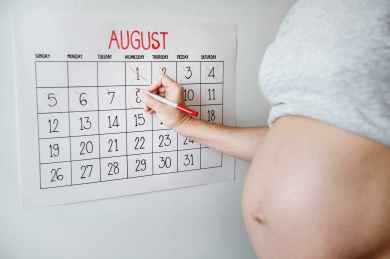
Did you know that first-time moms tend to be pregnant for just over 41 weeks? When it comes to your due date, take a laidback approach. Know that your baby could come a little bit before or after your estimated due date.
Either way, it’s always a good idea to keep in touch with your doctor. Having a healthy first pregnancy isn’t about being on time or doing everything right. Each new mom has different experiences during pregnancy, but there are some healthy tips every mom needs to follow.
Explore the following healthy first pregnancy tips to get prepared for your little one.
Exercise
Many women believe that exercising will harm their baby and their chances of getting pregnant. But, the opposite is true.
Low-intensity exercise is recommended for women who are or are trying to get pregnant. Exercising can help to reduce your chance of miscarrying, improve your labor, and decrease labor duration. It also reduces excess weight gain, back pain, and the risk of developing gestational diabetes.
Walking, swimming, yoga, and stationary cycling are all great low-impact exercises to try. Talk with your doctor to get clearance for any exercise plan you want to begin or continue.
Eat the Rainbow
Pregnancy cravings may cause you to reach for a bag of skittles. But, that’s not the rainbow we’re talking about.
Eat a wide range of colorful whole fruits, vegetables, grains, and healthy fats. Purchase foods that are primarily on the outer rim of the grocery store. These include meats produce, and dairy.
Opt for low-fat dairy products or plant-based substitutes like almond milk. Avoid deli meats, uncooked or raw meats and fish, and soft cheeses. For example, goat cheese.
Limit caffeine and make sure to always eat breakfast. Keep healthy snacks nearby throughout the day. Drink about 10 cups of water per day when pregnant.
Lastly, when pregnant, add in 300 to 500 calories per day.
Gain Support
Your first pregnancy can be overwhelming. The unknown is scary for most and you’ll need support.
Talk to your friends and family members about their first pregnancies. Open up a line of communication so you can ask them questions whenever you need to. Do the same with your doctor and their nurses.
You can also ask your partner to participate in making changes with you. Ask them to change their diet and to exercise along with you. Going to a birthing class or a parent education class together is also beneficial.
Encourage your partner to also seek out support. Especially, if this is their first pregnancy and child, too.
Take It Easy
Your body is undergoing an abundance of changes. You may feel achy, have trouble sleeping, or stressed. Rest and take it easy whenever possible.
Begin to practice relaxation on a daily basis. Meditate, journal, and reach out for support. Take naps and get to bed early whenever possible.
You can also take prenatal yoga to relax your mind and body. And, the added bonus of getting in some exercise can also help you to sleep better.
Aside from the form, these maternity clothes should provide function by way of offering compression to deal with swelling that comes with pregnancy. Noted examples are compression socks that may help manage or reduce swelling in the feet and ankles. You can do you research and read more about compression socks for pregnancy.
Know What to Avoid
There are foods, drinks, and substances you’ll need to avoid when pregnant. To start, avoid smoking and drinking alcohol.
High-mercury fish or undercooked/raw fish will also need to be avoided. Raw eggs, organ meat, and raw sprouts are also no-no’s while pregnant.
Make sure to always wash produce to avoid harmful bacteria and parasites. Unpasteurized items should also be avoided because of bacteria. While it may be tempting, you should also avoid eating junk food during and before pregnancy.
You’ll also need to avoid harmful chemicals while pregnant. For example, paint fumes, household cleaners, and beauty products. Know what’s in each product and seek out natural alternatives whenever possible.
Prenatal Vitamins
Taking a prenatal vitamin prepares your body for breastfeeding and pregnancy. They contain a variety of important vitamins and minerals needed for developing a healthy baby. One of the most important is folic acid.
Start taking prenatal vitamins a few months before you intend on getting pregnant. Take them once you stop taking birth control. Follow the prenatal vitamin supplement’s instructions to get the best results.
You can also ask your doctor or midwife for prenatal vitamin recommendations.
Read a Book
Knowledge is power. And, reading books about babies, pregnancy, and labor can help you to prepare.
It can take up to a year to get pregnant. So, learning all you can in advance can get you on a healthy track. It can also mentally prepare you and your partner for your new roles as parents.
It may also help to educate yourself about potential risks before and after pregnancy. For example, cerebral palsy. Find out more about cerebral palsy and other complications and speak with your doctor about prevention measures.
Take Some Classes
Consider taking a prenatal yoga class, a birthing class, and a pregnancy nutrition course.
Take a parenting course and learn more about healthy attachments during infancy.
Not only will this give you the education need, but it will also connect you with other hopeful moms. And, the more support you can find, the better!
Creating a First Pregnancy Birthing Plan
Before and during your first pregnancy, it’s important to plan ahead and create a birthing plan. Consider where you want to have your baby, who you want there, and what to bring along with you. Select a practitioner well in advance and share your birth plan with them.
Your plan won’t always be able to be carried out, but writing it down can help everyone communicate and understand your expectations.
Want to learn more about pregnancy and labor? Browse our other blog posts to learn more.